As the world moves toward cleaner, more sustainable energy solutions, solar power has become a key player in the renewable energy sector. For homeowners, businesses, and organizations looking to install solar power systems, ground-mounted solar arrays offer many advantages, such as flexibility in placement and increased energy production efficiency. However, the success of any solar installation, particularly ground-mounted ones, relies heavily on the solar mounting system used to secure the panels.
From our experience at SINPO METAL Co., Ltd., we understand the critical role a solar mounting system plays in ensuring the safety, durability, and performance of solar panels. A well-designed solar mounting system not only stabilizes the panels but also optimizes their alignment to capture the maximum amount of sunlight, thereby enhancing the overall efficiency of your solar setup.
What Is a Solar Mounting System?
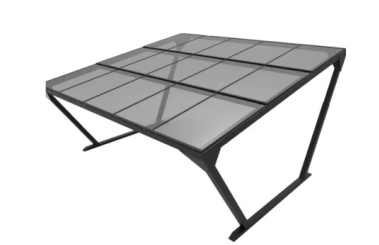
A solar mounting system is a structure used to fix and support solar panels on a variety of surfaces. In ground-mounted solar setups, these systems typically consist of metal frames that securely hold the panels at an optimal angle to capture sunlight efficiently. Depending on the location and environmental conditions, solar mounting systems are designed to be durable, weather-resistant, and adjustable to ensure the solar panels are positioned for maximum energy production.
Key components of a solar mounting system include:
Component | Function |
Mounting frame | Supports the panels in place |
Rails | Connect the panels to the frame |
Brackets | Secure the panels to the rails |
Ground anchors | Fix the system to the ground, providing stability |
Adjustable angles | Allow for fine-tuning the tilt of the panels to optimize sunlight capture |
Each of these components plays an essential role in creating a reliable and efficient solar system that maximizes the benefits of solar energy.

Why Solar Mounting Systems Are Important for Ground-Mounted Solar Installations
Solar power is a critical component of the shift toward sustainable and renewable energy sources. However, the efficiency and longevity of a solar installation depend not only on the quality of the solar panels but also on the system used to support them. In ground-mounted solar installations, the solar mounting system plays a pivotal role in providing stability, maximizing energy generation, and ensuring ease of maintenance. From our experience, selecting the right mounting system is crucial for optimizing solar panel performance and extending the lifespan of the installation.
1. Ensures Stability and Durability
One of the primary reasons for using a solar mounting system is to provide stability and durability for the ground-mounted solar panels. These systems help secure the panels against various environmental factors, ensuring the safety and reliability of the entire solar array. Ground-mounted installations are subjected to numerous external stresses such as wind, snow accumulation, temperature fluctuations, and even seismic activity in certain areas. Without a robust mounting system, these factors could destabilize the installation and compromise the performance of the panels.
Benefits of Stability
Feature | Advantage |
Strong anchoring | Prevents panel movement in high winds, reducing risk of damage or misalignment. |
Corrosion-resistant materials | Ensures longevity and reliability, even in harsh weather conditions like rain and snow. |
Adjustable tilt angles | Accommodates seasonal changes and maximizes sunlight exposure, improving energy capture year-round. |
A high-quality solar mounting system will not only protect panels from environmental forces but also ensure that they remain securely in place for years, reducing the need for frequent maintenance or repositioning. This stability extends the lifespan of the entire solar system, making it a long-term investment for your property.
2. Maximizes Solar Panel Efficiency
The efficiency of a ground-mounted solar installation depends largely on the positioning of the solar panels. Solar panels must be aligned properly to capture the maximum amount of sunlight during the day. A solar mounting system offers more flexibility than roof-mounted options, as it allows for greater control over the tilt and orientation of the panels. This flexibility can be adjusted seasonally to ensure that panels are always positioned optimally to receive sunlight directly.
Key benefits of maximizing panel efficiency include:
· Optimized energy generation: Panels positioned at the right angle maximize energy capture throughout the day and year.
· Seasonal adjustments: As the angle of the sun changes with seasons, a mounting system with adjustable tilt angles allows for re-positioning to optimize sunlight exposure.
· Increased energy production: An optimized solar panel system captures more sunlight, leading to higher energy output and a more cost-efficient solar system.
3. Facilitates Easy Maintenance and Accessibility
A significant advantage of ground-mounted solar systems over roof-mounted installations is their accessibility. Maintenance and repairs are much easier when panels are on the ground, allowing for more efficient cleaning, troubleshooting, and repairs. A well-designed solar mounting system provides easier access to the panels and the wiring, which makes routine checks or fixes quicker and less costly.
Key maintenance benefits include:
· Simple cleaning: Ground-mounted systems allow for easy access to panels, making it easier to clean off dust, dirt, and debris. Keeping the panels clean is essential for ensuring that they operate efficiently and can continue to generate energy without obstruction.
· Quick repairs: If a panel malfunctions or if there is any wiring issue, repairs can be done promptly without the need for scaffolding or ladders. This minimizes the downtime of the system and improves the overall productivity of the solar power setup.
· Regular checks and adjustments: Having easy access to the panels means that maintenance workers can carry out routine inspections to ensure everything is working as it should, addressing any issues before they become major problems.
Types of Solar Mounting Systems for Ground-Mounted Solar Panels
There are several types of solar mounting systems, each designed to accommodate specific types of terrain and project requirements.
1. Fixed Ground Mounts
Fixed ground mounts are the most common type of solar mounting system for residential and commercial ground-mounted solar setups. These systems hold panels at a fixed angle, typically designed to capture sunlight based on the site’s latitude. While these systems don’t allow for seasonal adjustment, they are highly durable and offer a straightforward installation.
2. Adjustable Ground Mounts
For more flexibility, adjustable ground mounts allow users to manually or mechanically adjust the angle of the panels throughout the year. This is ideal for users who want to optimize their solar energy production by adapting to the changing seasons.
3. Tracking Systems
A tracking solar mounting system automatically adjusts the position of the panels to follow the sun’s movement across the sky. This system maximizes energy capture by keeping the panels oriented toward the sun for a more significant portion of the day. Tracking systems are more expensive but can increase energy output by 25-35% compared to fixed systems.
How to Choose the Right Solar Mounting System
Selecting the right solar mounting system for your ground-mounted solar setup is crucial for ensuring long-term performance and efficiency. Several factors should be considered when making this decision:
Factor | Consideration |
Location | Assess local weather conditions, such as wind speed and snowfall, to determine the required level of stability. |
Panel size and weight | Ensure the mounting system can support the weight and size of the panels. |
Budget | Consider the cost of the mounting system in relation to the expected energy savings. |
Future expansion | Choose a system that can accommodate future system upgrades or panel additions. |
It’s important to match the right system to your specific site conditions and energy goals. For example, if you live in a region with significant seasonal variations, an adjustable or tracking mounting system may be more beneficial.
Final Thoughts
Choosing the right solar mounting system can significantly impact the efficiency and longevity of your ground-mounted solar setup. From stabilizing the panels to optimizing energy generation, a reliable mounting system is essential for maximizing the benefits of your solar investment. Whether you opt for fixed, adjustable, or tracking systems, ensuring proper installation and selecting the best-suited option for your needs will help you get the most out of your solar energy system.
At SINPO METAL Co., Ltd., we offer a wide range of solar mounting solutions designed to meet the unique needs of our customers. If you're looking for durable, high-performance mounting systems for your ground-mounted solar installation, feel free to contact us for more information. Our team of experts is here to help you select the perfect system to suit your specific requirements and ensure long-term success.
FAQ
1. What is a solar mounting system?
A solar mounting system is the structure used to secure solar panels to the ground or roof, ensuring stability, safety, and optimal sunlight exposure.
2. Can I install a solar mounting system myself?
While some systems are DIY-friendly, it’s recommended to have professionals install the system for safety, efficiency, and compliance with local regulations.
3. How does an adjustable ground mount work?
An adjustable ground mount allows users to change the tilt angle of the panels to adjust to seasonal changes and maximize sunlight capture.
4. What are the benefits of using a tracking solar mounting system?
A tracking system automatically adjusts the panels to follow the sun’s movement, increasing energy production by keeping the panels at an optimal angle throughout the day.