
Views: 0 Author: Site Editor Publish Time: 2025-10-28 Origin: Site


As the world shifts towards cleaner energy, solar power has become a top choice. But how can we make it even more efficient? Enter the Solar Tracking Mounting System—an innovative solution that enhances solar energy production.
In this article, we will explore the benefits of solar tracking systems, focusing on how they improve energy output, reduce costs, and contribute to a greener environment.
A solar tracking system is a mechanical system used to adjust the angle of solar panels to follow the sun's movement. This ensures that the solar panels receive the maximum amount of sunlight throughout the day. Solar tracking mounting systems come in two primary types: single-axis and dual-axis trackers.
Single-axis trackers adjust the solar panels on one axis (typically east to west), following the sun's movement from sunrise to sunset.
Dual-axis trackers, on the other hand, can adjust both vertically and horizontally, providing even greater precision by tracking the sun's path year-round, including seasonal changes.
Solar trackers use motors and sensors to move the panels throughout the day, following the sun's trajectory. This movement allows the panels to always face the sun, maximizing their exposure and increasing energy production. Compared to traditional fixed solar panels, which are stationary and rely on sunlight from a fixed angle, tracking systems can generate significantly more power by ensuring that the panels are always aligned with the sun.
The main advantage of using a solar tracking system is its ability to capture more sunlight. Studies show that solar tracking can increase energy production by up to 25-40% compared to fixed systems, depending on the geographical location and the type of tracker used. This efficiency boost is especially important in large-scale solar farms and for businesses or homeowners looking to maximize their solar energy output.
One of the most significant benefits of solar tracking systems is their ability to increase solar energy capture. By adjusting the panel's angle throughout the day, solar trackers can ensure that the panels are always at the optimal angle for sunlight absorption. As a result, solar tracking systems typically generate more electricity than fixed systems. In fact, dual-axis solar trackers are particularly effective in regions with seasonal variations in the sun's position, as they can adjust the panels to track the sun's changing path across the sky.
Unlike fixed solar panels, which can lose efficiency as the sun moves across the sky, solar tracking systems maintain optimal performance throughout the day. By adjusting the panel's angle, tracking systems extend the solar panels' exposure to sunlight, ensuring that they capture more energy from the sun at all times. This results in a more consistent and higher energy yield, especially during peak sunlight hours when energy demand is highest.
Solar trackers also have the advantage of adapting to environmental changes, such as shifts in the sun's position over different seasons. Dual-axis trackers, in particular, excel in this area as they can adjust the panels not just from east to west, but also from north to south. This adaptability ensures that solar panels operate at peak efficiency year-round, regardless of seasonal variations.
While solar tracking systems come with a higher initial investment compared to fixed systems, the increased energy yield makes them an attractive option for those seeking long-term benefits. The higher energy production generated by solar trackers leads to quicker payback periods and higher returns on investment. In many cases, solar trackers can pay for themselves within 5 to 10 years, depending on factors such as location, energy demand, and system size.
The levelized cost of energy (LCOE) is a key metric used to assess the cost-effectiveness of energy production. By increasing energy output, solar tracking systems can lower the LCOE, making solar energy more affordable over time. In large-scale solar farms, this reduction in LCOE can lead to significant savings, making solar tracking systems a cost-effective solution for commercial and industrial applications.
Solar tracking systems contribute to reducing the carbon footprint by increasing the overall efficiency of solar energy production. The more energy produced by a solar system, the less reliance there is on fossil fuels, which are a significant source of carbon emissions. By generating more electricity with solar power, businesses and individuals can reduce their carbon emissions, helping to combat climate change.
As governments and organizations work toward achieving renewable energy targets, solar tracking systems play a critical role in meeting clean energy goals. By adopting solar tracking technology, large-scale solar projects can generate more power, which directly contributes to renewable energy production. This aligns with global initiatives to reduce greenhouse gas emissions and increase the use of renewable resources.
Solar tracking systems are particularly beneficial in utility-scale solar farms, where maximizing energy production is crucial to the success of the project. By improving energy capture, solar trackers can increase the total output of large-scale solar installations, providing more power to the grid. This makes them a popular choice for utility companies and energy producers looking to optimize their solar investments.
While solar tracking systems were once primarily used in large-scale solar farms, their adoption is now expanding to residential installations as well. Homeowners are increasingly opting for solar trackers to maximize energy production and reduce their electricity bills. With the ability to increase energy capture by up to 40%, solar trackers can help homeowners make the most of their solar investments.
In addition to residential and utility-scale installations, solar trackers are also used in commercial and agricultural settings. For example, farmers and agribusinesses are adopting solar trackers to reduce energy costs and generate additional income from solar power production. By using solar tracking systems, these industries can benefit from higher energy efficiency and improved financial returns.
The primary drawback of solar tracking systems is their higher initial cost. The technology required to adjust the solar panels, along with the additional mechanical components, makes tracking systems more expensive than traditional fixed systems. However, the long-term benefits, including increased energy output and reduced energy costs, often outweigh the initial investment.
Another challenge with solar tracking systems is their maintenance requirements. Because tracking systems are mechanical, they require regular maintenance to ensure smooth operation. The moving parts and motors can be susceptible to wear and tear over time, potentially leading to higher maintenance costs. However, advancements in tracking technology are improving the durability and reliability of these systems.
Installing solar tracking systems requires more space and a more complex setup compared to fixed solar panels. This can be a consideration in areas with limited space or where installation costs are high. However, the increased energy production and long-term savings can make solar trackers a worthwhile investment in the right conditions.
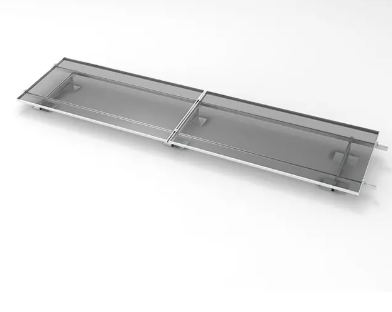
As technology continues to evolve, solar tracking systems are becoming more efficient and cost-effective. New innovations, such as AI-powered trackers and automated systems, are improving the precision and efficiency of solar tracking. These advancements promise to make solar trackers more accessible to a wider range of users, including homeowners and small businesses.
The adoption of solar tracking systems is expected to grow significantly in the coming years, particularly in large-scale solar projects. As the demand for renewable energy continues to rise, more companies and individuals are turning to solar tracking to maximize their energy production. The cost reductions and efficiency gains offered by solar trackers make them an increasingly attractive option for both residential and commercial applications.
Governments around the world are offering incentives and subsidies to promote the adoption of solar tracking systems. These policies are helping to drive the widespread use of solar trackers, making them more accessible and affordable for businesses and individuals alike. As global energy goals shift toward renewable resources, solar tracking systems are expected to play a critical role in achieving sustainable energy targets.
Solar tracking systems provide significant advantages, including increased energy efficiency, lower carbon emissions, and high returns on investment. While they come with higher initial costs and maintenance needs, the long-term benefits make them ideal for large-scale solar farms, residential installations, and commercial applications. By enhancing energy production and reducing solar energy costs, these systems play a crucial role in advancing renewable energy adoption.
SINPO METAL offers advanced Solar Tracking Mounting System solutions. These products deliver excellent value by boosting energy efficiency and contributing to the sustainable energy shift.
A: A Solar Tracking Mounting System is a mechanical structure that adjusts the angle of solar panels to follow the sun, maximizing energy capture throughout the day.
A: A dual-axis solar tracker adjusts both vertically and horizontally, ensuring solar panels are always aligned with the sun for maximum energy output, increasing efficiency by up to 40%.
A: While Solar Tracking Mounting Systems have higher initial costs, they offer long-term savings by significantly boosting energy production, resulting in a quicker return on investment.