
Views: 0 Author: Site Editor Publish Time: 2025-10-30 Origin: Site


Are you maximizing your solar energy potential? Solar tracking mounting systems offer a solution that significantly boosts energy production by following the sun's path.
In this article, we'll dive into the different types of solar tracking systems, how they work, and the benefits they bring. You'll gain insights on choosing the best system for your needs.
A solar tracking mounting system is a setup that allows photovoltaic panels to move throughout the day to follow the sun's position in the sky. Unlike fixed solar panels, which remain stationary, tracking systems rotate and tilt the panels to keep them at the optimal angle for capturing sunlight.
There are two main types of solar tracking systems: single-axis and dual-axis. Both systems use motors, sensors, and mechanical structures to track the sun and adjust the position of the solar panels. The purpose is to increase the exposure to direct sunlight, ultimately boosting energy production by keeping the panels perpendicular to the sun's rays.
The primary components of a solar tracking system include:
Trackers: These are the mechanisms that move the solar panels.
Motors and Hydraulic Cylinders: Responsible for adjusting the panels' position.
Sensors: Used to detect the sun’s position and guide the system's adjustments.
Control Systems: Process the information from the sensors and activate the motors.
These components work in unison to ensure that the panels are always positioned for optimal energy capture.
A fixed mounting system holds the panels at a set angle and does not adjust to the sun's movement. Solar tracking mounting systems, on the other hand, adjust the angle continuously to follow the sun, increasing energy production by up to 40%.
In terms of energy efficiency, trackers outperform fixed mounts, but they come at a higher cost due to their complexity and moving parts. Single-axis trackers are typically more affordable and easier to maintain than dual-axis trackers, which provide more precise tracking but come with additional installation and maintenance challenges.
Single-axis solar trackers adjust the solar panels' position along one axis, following the sun from east to west throughout the day. This simple movement helps increase energy production by up to 30%. The mechanism typically involves a motor-driven system that rotates the panels on a horizontal or vertical axis.
Single-axis trackers are ideal for large utility-scale solar farms where space is abundant and the main goal is maximizing energy capture throughout the day.
Dual-axis solar trackers, as the name suggests, move on two axes: one from east to west and another from north to south. This allows the panels to track the sun both horizontally and vertically, providing precise adjustments throughout the year, adjusting for seasonal variations.
This type of tracker can increase energy production by as much as 40%, making it the most efficient option for areas with varied weather or high-latitude regions where the sun's angle changes drastically over the course of the year.
AI-powered solar trackers use advanced algorithms to make real-time adjustments. These systems can predict the optimal panel positions based on weather patterns, time of day, and seasonal changes. Sensors collect data on solar irradiance, which is then processed by the AI system to optimize panel placement continuously. Integrating AI into solar tracking systems can further enhance their efficiency by reducing human error and automating adjustments, making them more reliable for long-term performance.
Ground-mounted solar trackers are typically used for large-scale commercial and utility installations. These systems are installed on the ground and often require the construction of a support structure to accommodate the motors, sensors, and panels. Ground-mounted systems are favored because they can handle heavy-duty equipment and accommodate large numbers of panels. They are particularly effective in areas with abundant space and optimal sunlight exposure.
Roof-mounted solar tracking systems are a newer innovation that allows for solar panels to track the sun from residential or commercial rooftops. These trackers are generally smaller and more compact than ground-mounted systems and are ideal for spaces where installing traditional ground systems is not feasible.
However, the challenge with roof-mounted systems is that they require careful structural considerations to ensure the roof can support the added weight and mechanical parts of the tracker.
Hybrid solar systems combine fixed and tracking mounting systems to provide the benefits of both. These setups can include a fixed array with a small number of tracking panels to optimize energy production in limited space. By carefully selecting which panels are equipped with trackers, hybrid systems can maximize energy output while keeping installation costs lower than fully tracking systems. For limited space or smaller installations, hybrid systems may offer an optimal balance between cost and energy output.
Solar tracking mounting systems can improve the performance of photovoltaic panels by up to 40%. A single-axis tracker can boost efficiency by 25-30%, while a dual-axis tracker adds another 5-10% more. The increased energy production is particularly beneficial during peak hours when electricity demand is highest.
Although solar trackers come with higher upfront costs, they can pay off in the long run. The added efficiency can significantly reduce electricity bills, making the system a profitable investment in the long term. A solar tracking system typically pays for itself within 5 to 10 years, providing energy savings for up to 20 years or more.
One of the key benefits of solar tracking systems is their adaptability to different geographic locations. In areas with high latitudes or regions where the sun's position changes drastically throughout the year, solar trackers can maximize solar energy production by adjusting for seasonal variations.
Solar trackers can capture sunlight during additional hours of the day, including early mornings and late afternoons. This not only improves energy output during peak hours but also increases the overall efficiency of the solar system, especially in locations where sunlight is less consistent. For regions with high seasonal variability, investing in dual-axis trackers can ensure reliable and consistent solar energy production year-round.
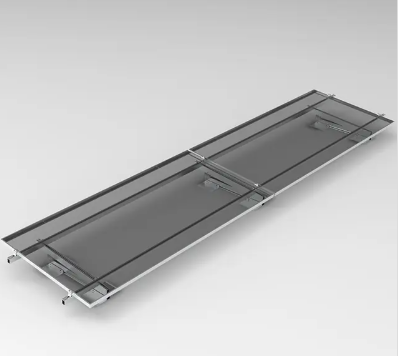
Before installing a solar tracking system, a site assessment is essential. The terrain, sunlight exposure, and available space must all be considered to ensure that the system will perform optimally. A professional design process includes calculating panel angles, structural integrity, and motor power requirements.
The installation process includes setting up the trackers and integrating them with the photovoltaic panels and energy conversion systems. This stage involves significant technical expertise to ensure that all components work together seamlessly.
After installation, the system must be tested and calibrated to ensure optimal operation. Technicians perform checks to make sure the sensors are functioning correctly and the panels are moving as intended.
The cost of installing solar trackers can vary based on the type of system and the scale of the installation. Single-axis systems generally cost less than dual-axis systems, but both come with higher upfront costs compared to traditional fixed installations. Consider your available budget and energy needs when deciding which type of tracking system is right for you. For residential systems, single-axis trackers are often the most cost-effective choice.
Despite the higher initial costs, solar trackers can provide a quick return on investment. With energy savings and increased solar energy production, trackers typically pay for themselves in 5-10 years. After this period, the savings continue to accumulate for the lifespan of the system. Evaluate local electricity rates, sunlight availability, and system efficiency when determining how long it will take for your solar tracker to pay for itself.
Solar tracking mounting systems offer significant advantages, such as increased energy efficiency and long-term cost savings. By selecting the appropriate type of solar tracker, you can optimize your solar panel performance regardless of the installation size or location. Though the initial investment may be higher, the long-term benefits of enhanced solar power production make solar tracking systems a smart choice for both residential and commercial use.
For areas with limited space or where maximizing energy output is essential, investing in solar tracking systems can yield substantial returns. Be sure to assess your site's conditions, budget, and energy needs before making your decision.
SINPO METAL provides high-quality solar tracking mounting systems, including Dual-Axis Solar Tracking Mounting System, designed to maximize energy production and provide value through innovative solutions.
A: A Solar Tracking Mounting System is a device that adjusts the position of solar panels to follow the sun’s path, maximizing energy production by keeping the panels perpendicular to sunlight throughout the day.
A: The two main types of Solar Tracking Mounting Systems are single-axis trackers and dual-axis trackers. Single-axis trackers move panels east to west, while dual-axis trackers adjust both horizontally and vertically for greater accuracy.
A: A Solar Tracking Mounting System increases energy efficiency by keeping panels aligned with the sun, allowing for better solar energy capture compared to fixed systems.