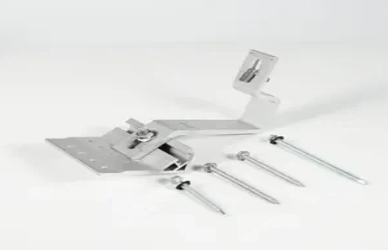
Properly maintaining aluminum roof hooks is essential for ensuring their long-term durability and reliable performance. These hooks are exposed to various weather conditions, including rain, snow, saltwater, and intense sunlight, which can cause wear and tear over time. Regular care and maintenance not only prevent corrosion and damage but also extend their lifespan, ensuring they continue to provide reliable support for tarps, awnings, and other outdoor structures. By following a few simple maintenance tips, you can ensure that your aluminum roof hooks remain in excellent condition, providing strength and stability regardless of the weather, and saving on costly repairs or replacements in the future. Proper care is key to keeping your aluminum roof hooks functioning at their best, season after season.
Tip 1: Regular Cleaning
Regular cleaning is essential for preserving the durability and functionality of aluminum roof hooks over time. Exposure to dirt, debris, and salt from the environment can lead to build-up on the surface, potentially compromising the hooks' performance and leading to corrosion or damage.
1.Importance of Cleaning
Cleaning aluminum roof hooks helps prevent the accumulation of harmful materials, such as salt in coastal areas, which can accelerate corrosion. Additionally, dirt and debris can obstruct moving parts, affecting the hook's efficiency and stability. Regular cleaning is essential to maintain their corrosion-resistant properties and ensure the hooks stay in optimal working condition.
2.Recommended Cleaning Methods
To clean aluminum roof hooks, use mild soap and warm water. This solution is gentle on the aluminum and effective at removing dirt and grime. Use a soft cloth or brush to scrub the surface, ensuring all areas are cleaned without scratching or damaging the material. Avoid abrasive cleaners or harsh chemicals that could damage the aluminum finish.
3.How Often to Clean
The frequency of cleaning depends on the environment the hooks are exposed to:
In coastal or saltwater areas, it is recommended to clean the hooks more often, ideally every few months, or after any heavy storms.
In more temperate environments with less exposure to salt, cleaning them once or twice a year may be sufficient.
Regular cleaning ensures that the aluminum roof hooks continue to perform effectively, preventing premature wear and maintaining their long-term reliability.
Tip 2: Protect from Harsh Weather
Protecting aluminum roof hooks from extreme weather conditions is crucial to ensuring their long-term durability. While aluminum is naturally resistant to corrosion, harsh weather elements such as saltwater, UV rays, and heavy rain can still cause wear over time, potentially compromising their strength and performance.
1.How Extreme Weather Conditions Affect Aluminum Roof Hooks
Saltwater: In coastal areas, saltwater exposure can accelerate corrosion, even though aluminum is naturally resistant to rust. The salt can build up on the surface, leading to pitting or surface degradation if not properly cleaned and protected.
UV Rays: Prolonged exposure to UV rays from the sun can cause the surface finish of the aluminum to fade or discolor. While this doesn’t affect the strength of the material, it can reduce the aesthetic appeal of the hooks.
Heavy Rain: Constant exposure to rain and humidity can lead to the accumulation of moisture, which may eventually degrade the material, especially if the hooks aren’t properly cleaned or maintained.
2.Recommendations for Protective Covers or Coatings
To protect aluminum roof hooks from environmental damage:
Consider applying a protective coating or sealant that is designed for outdoor metals. These coatings provide an additional layer of protection against saltwater, rain, and UV rays, extending the lifespan of the hooks.
Protective covers can also be used when the hooks are not in use, especially during the off-season. These covers can shield the hooks from direct exposure to the elements, preserving their finish and integrity.
3.How to Store Hooks During the Off-Season
When not in use, it’s important to store aluminum roof hooks in a dry and sheltered location to protect them from harsh environmental conditions. If the hooks are installed on a structure that is not in use during colder months or off-seasons, removing them and storing them in a garage, shed, or storage container is a great way to ensure they are protected from extreme temperatures and moisture buildup.
Tip 3: Inspect Regularly for Wear and Tear
Regular inspections are key to maintaining the long-term durability of aluminum roof hooks. By checking them periodically, you can catch any issues like corrosion or physical damage early, preventing small problems from turning into costly repairs and ensuring the hooks continue to perform well.
1. Importance of Regular Inspections
Routine inspections help identify issues such as rust, dents, or loose fittings before they affect the functionality of the hooks. Early detection allows for timely repairs, extending the hooks' lifespan and maintaining their stability and strength.
2. What to Look for During Inspections
Scratches: Look for scratches or abrasions. Deep scratches can expose the aluminum to corrosion, especially in moist or salty environments.
Dents or Deformation: Check for any dents or bending, which could indicate physical stress and compromise the hook’s ability to hold securely.
Loose Connections: Ensure the hooks are tightly fastened. Loose connections may lead to ineffective performance and additional stress on the roof structure.
Corrosion or Rust: While aluminum is corrosion-resistant, saltwater and harsh conditions can cause pitting or discoloration. If found, clean and apply a protective coating to prevent further damage.

Tip 4: Proper Installation
Proper installation is essential for maintaining the integrity and durability of aluminum roof hooks. Incorrect installation can cause unnecessary stress, leading to weakening, bending, or failure over time. Ensuring proper installation not only prevents damage but also improves performance and reliability.
1. Importance of Correct Installation
Improper installation can cause uneven pressure or misalignment, leading to excessive stress on certain areas of the hooks. Over time, this can cause deformation, reducing their load-bearing capacity and performance.
2. How to Ensure Proper Installation
Secure Attachment: Ensure hooks are tightly fastened to the roof structure for a solid connection that prevents loosening.
Correct Positioning: Position the hooks according to the manufacturer's guidelines. Mispositioning can cause them to bear more weight than designed, leading to wear or damage.
Avoid Over-tightening: Secure the hooks without over-tightening to prevent damaging the material.
Check Alignment: Before finishing the installation, check that the hooks are evenly spaced and aligned to distribute the weight evenly. Misalignment can lead to undue stress and premature wear.
Tip 5: Avoid Overloading
One of the most important factors in maintaining the integrity and longevity of aluminum roof hooks is ensuring that they are not subjected to excess weight or incorrect use. Overloading the hooks can cause unnecessary stress, potentially damaging the material and compromising the stability of the roof structure.
1.Impact of Excess Weight or Incorrect Use
Exceeding the weight limit or using aluminum roof hooks for purposes they were not designed for can lead to several issues:
Bending or Warping: Excessive weight can cause the aluminum to bend or warp, which may affect the hook’s ability to securely hold the tarp or structure in place.
Increased Wear and Tear: Overloading puts extra strain on the hooks, which can lead to premature wear, cracking, or weakening of the aluminum material.
Risk of Failure: Consistently exceeding the weight capacity increases the likelihood of the hook failing, which could damage the roof structure or cause injury in the case of a collapsed tarp or awning.
2.Recommendations for Adhering to Weight Limits
To ensure optimal performance and safety, always follow the manufacturer's guidelines regarding weight limits. These guidelines are designed to ensure the hooks can handle the load safely without compromising their strength. Additionally:
Use the hooks for their intended purpose: Ensure you are using the aluminum roof hooks as recommended, typically for securing tarps, awnings, or tents.
Distribute the weight evenly: When setting up a tarp or other cover, make sure the load is evenly distributed across the hooks to avoid putting excessive pressure on any one point.
Regularly check the load: If the load is subjected to harsh conditions like strong winds or heavy rain, periodically inspect the hooks to ensure they are still secure and performing as expected.
FAQ Section
1.How often should I clean my aluminum roof hooks?
The frequency of cleaning depends on environmental exposure. In coastal areas or places with high humidity, clean your aluminum roof hooks every couple of months. In less harsh environments, cleaning twice a year or after heavy storms is sufficient. Use mild soap and water to remove salt, dirt, and debris, keeping the hooks corrosion-free.
2.Can aluminum roof hooks be used in coastal areas with high salt exposure?
Yes, aluminum roof hooks are naturally corrosion-resistant, making them suitable for coastal areas. To provide extra protection, apply a protective coating and clean the hooks regularly to remove salt buildup, which can extend their lifespan in salty environments.
3.How can I tell if my aluminum roof hooks need to be replaced?
Replace your aluminum roof hooks if you notice corrosion, pitting, or physical damage like cracks or bends. Also, if the hooks are loose and can't be tightened, it’s time for a replacement to ensure safety and stability.
4.Is there any maintenance required during the off-season?
For off-season storage, keep aluminum roof hooks in a dry, sheltered location to prevent weather damage. Clean them before storing and consider using protective covers to keep them in optimal condition for the next season. Regular inspection during non-use will help catch potential issues early.
Conclusion
In summary, the top 5 tips for maintaining your aluminum roof hooks—regular cleaning, protection from harsh weather, inspections for wear and tear, proper installation, and avoiding overloading—all play a crucial role in ensuring their long-term durability. By keeping the hooks clean, protecting them from extreme conditions, and regularly checking for any signs of damage or stress, you can significantly extend their lifespan and maintain their reliable performance. Proper care and maintenance are essential for aluminum roof hooks to continue providing secure support for your roof structures, ensuring they serve you well for many years. Following these simple steps will ensure that your aluminum roof hooks remain strong, durable, and cost-effective, offering peace of mind and dependable service throughout their lifetime.