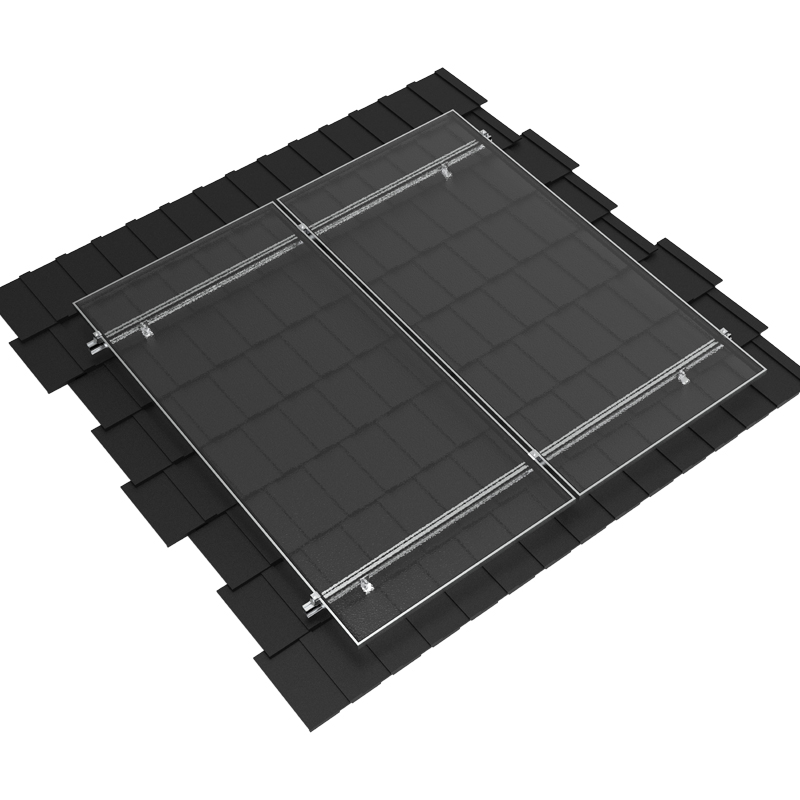
Installing solar panels represents a decades-long investment for any property. However, the financial viability of this asset relies entirely on the structural integrity of its base. Selecting the wrong hardware compromises roof warranties. It introduces severe leak liabilities and often fails under extreme weather loads. Roof topologies and materials strictly dictate specific engineering requirements. You will find a one-size-fits-all approach drastically increases installation labor costs and operational risk. Racking is never just a generic accessory. This guide breaks down how to evaluate and select the correct structural solution. We cover decisions based on roof material, environmental loads, and compliance standards. You will learn how to assess component quality and mitigate common installation failures effectively.
Key Takeaways
The ideal solar mounting system balances structural safety (wind/snow load ratings) with labor-efficient installation.
Metal and tile roofs require distinct attachment methods (e.g., non-penetrating clamps vs. specialized hooks) to maintain waterproofing and structural integrity.
Evaluating component materials—specifically assessing anodized aluminum and stainless steel fasteners—prevents galvanic corrosion and ensures the mount outlasts the panels.
Procurement decisions should weigh upfront hardware costs against long-term liability, engineering support, and warranty coverage.
The Business Cost of Mismatched Racking (Why Procurement Matters)
Selecting incompatible mounting hardware creates massive hidden liabilities. Poor selection routinely voids existing roof warranties. It also increases labor hours significantly because installers struggle during complex installations. In worst-case scenarios, mismatched hardware causes catastrophic structural failures during high-wind events.
We define a successful deployment using three strict criteria. First, the installation achieves zero water ingress over its lifetime. Second, it passes local structural compliance checks seamlessly. Finally, the system design minimizes overall installer time on the roof.
Many project managers fall for the false economy of cheap mounting components. Saving a few cents per watt upfront creates severe financial risk later. Roof remediation costs far exceed any initial hardware savings. You must prioritize structural reliability over bargain pricing to protect the underlying real estate asset.
Core Evaluation Framework: 4 Factors Before Selecting Your System
You must evaluate racking hardware using a standardized approach. We recommend assessing four critical factors before making a final procurement decision.
Wind and Snow Load Ratings: You must review ASCE 7 or equivalent regional engineering certifications. The system must flex slightly and hold firm under dynamic environmental stresses. Severe snow accumulation and turbulent uplift force demand robust structural certifications.
Material Compatibility & Corrosion Resistance: Dissimilar metals create high risks for galvanic corrosion. Placing aluminum frames directly onto certain metal roofs accelerates degradation. You must ensure suppliers utilize proper anodized coatings and stainless steel fasteners to separate reactive metals.
Waterproofing and Penetration Management: You should heavily scrutinize how the system manages roof penetrations. Emphasize solutions featuring pre-installed flashing components. High-quality kits also integrate premium chemical sealants to guarantee long-term watertight barriers.
Labor Efficiency: Compare the overall component count across different brands. Systems utilizing fewer parts reduce on-roof labor costs significantly. Pre-assembled clamps and snap-in hardware keep crews moving quickly and safely.
Matching the Solar Mounting System to Your Specific Roof Type
Metal Roof Solutions (Standing Seam vs. Corrugated)
Preserving the metal surface drives every design decision here. You must avoid punching unnecessary holes through the roof deck. The industry relies on non-penetrating clamps for standing seam roofs. Conversely, corrugated profiles require specialized trapezoidal brackets. You must specify the exact metal roof solar mounting rail to distribute weight evenly across the ribs. Proper load distribution prevents panel deformation and eliminates roof denting.
Tile Roof Racking Options (Clay, Concrete, and Slate)
Preventing tile breakage remains the top priority during and after installation. Installers typically use heavy-duty roof hooks. These hooks bypass the fragile tile to attach directly into the wooden rafter below. Some projects use specialized replacement mounting tiles instead. We highly recommend investing in a purpose-built tile roof solar mounting system. This approach yields a far better ROI than modifying standard hardware on site. Modified hardware frequently crushes tiles under heavy snow loads.
Asphalt Shingle Approaches
Managing penetrations dictates success on asphalt shingle roofs. You must maintain a pristine water barrier above the living space. The standard solution involves flashed L-feet and lag bolts driven straight into the structural rafters. These anchors attach securely to standard rail systems. Always ensure installers apply rated chemical sealants beneath the mechanical flashing.
Flat and Commercial Roof Applications
Commercial flat roofs force engineers to balance wind uplift against load-bearing capacity. Ballasted systems use heavy concrete blocks to achieve zero membrane penetration. However, they add substantial dead weight to the structure. Mechanically attached systems reduce roof weight significantly but require fully sealed penetrations. You must evaluate these weight trade-offs carefully alongside a licensed structural engineer.
The chart below summarizes how different roof topologies dictate specific mounting solutions.
Roof Material
Primary Decision Driver
Recommended Solution
Penetration Risk
Standing Seam Metal
Preserving metal surface integrity
Non-penetrating seam clamps
Zero
Corrugated Metal
Weight distribution across ribs
Trapezoidal brackets
Low (screws into raised ribs)
Tile (Clay/Concrete)
Preventing tile breakage
Direct-to-rafter roof hooks
Medium (requires careful flashing)
Asphalt Shingle
Maintaining water barriers
Flashed L-feet into rafters
Medium (sealed penetrations)
Flat Commercial
Wind uplift vs. dead weight
Ballasted or Hybrid mounts
Zero to Low
Evaluating Component Quality and Compliance Standards
You cannot judge racking quality purely by visual inspection. True quality requires validated third-party testing. Look for UL 2703 certifications covering grounding and bonding safety. You also need rigorous wind-tunnel testing documentation to verify uplift resistance. These documents protect you during permitting and inspections.
Warranty realities often confuse buyers. Differentiate strictly between manufacturer hardware warranties and actual expected lifecycles. Hardware warranties typically span 10 to 25 years. However, harsh UV exposure and coastal salt spray degrade inferior metals much faster. Anodized aluminum components ensure the mount actually survives its projected lifespan.
Evaluate the supply chain and standardization practices of your manufacturer. Determine whether the system utilizes proprietary fasteners or standard hardware sizing. Standardized hardware greatly simplifies future maintenance. Proprietary bolts delay part replacement and complicate long-term service calls.
Best Practice: Always request the UL 2703 certification letter directly from the manufacturer before purchasing.
Common Mistake: Assuming a 25-year panel warranty automatically implies the racking underneath will last equally long without corrosion.
Implementation Risks: What Installers and Project Managers Must Watch For
Real-world roofs rarely sit perfectly flat. Undulations in the roof deck cause severe alignment and tolerance issues. You need mounting systems offering generous vertical and horizontal adjustability. Adjustable rails prevent panels from twisting. Twisted panels suffer from micro-cracks and reduced energy yields over time.
Temperature fluctuations introduce severe thermal expansion risks. Metal rails expand in summer heat and contract during winter freezes. This movement requires proper thermal breaks in long rail runs. Skipping thermal breaks causes the expanding rails to literally tear the fasteners out of the roof.
Wire management demands equal attention. Integrated cable management within the mounting rails is critical. Loose wires resting on abrasive shingles strip their insulation quickly. This friction causes dangerous ground faults and system shutdowns. Routing cables securely inside the rail channels prevents weather damage entirely.
Shortlisting Your Supplier: Next Steps for Procurement
Supplier selection dictates project speed and safety. You must verify their engineering support capabilities upfront. Ask if the manufacturer provides stamped engineering letters for your jurisdiction. They should also supply dynamic load calculators tailored specifically for your local zip code.
Assess lead times and inventory depth carefully. Your supplier must demonstrate the ability to scale seamlessly with your project phases. Delays in racking delivery stall the entire installation crew, destroying your labor budget.
Take an actionable next step today. Recommend requesting a pilot kit or a sample metal extrusion. You can evaluate the build quality, metal thickness, and clamp tolerances in person. Testing a small sample prevents catastrophic mismatches before you place a massive commercial order.
Conclusion
The right solar mounting system functions as a critical structural engineering asset, not just a commodity accessory.
Prioritize material compatibility and third-party certifications (UL 2703) to ensure long-term structural integrity.
Match attachment methods precisely to roof types to avoid voided warranties and water ingress.
Request sample hardware and stamped engineering calculators before finalizing bulk procurement contracts.
Aligning your mounting hardware with the exact roof type protects the entire solar asset. This diligent approach ensures maximum energy production and optimal returns over the system's 25-plus year lifespan.
FAQ
Q: Can I use the same solar mounting system for both metal and asphalt roofs?
A: No. While the upper aluminum rails might remain identical, the roof attachments must differ entirely. Asphalt roofs require penetrating lag bolts paired with heavy flashing. Metal roofs require non-penetrating clamps or specialized trapezoidal brackets to prevent leaks and preserve the metal seams.
Q: How do I prevent my tile roof solar mounting system from cracking my roof tiles?
A: You must use specialized tile roof hooks designed with proper clearance tolerances. These hooks anchor directly into the wooden rafters underneath. They curve carefully around the tile, ensuring no downward pressure transfers to the fragile clay or concrete surface when panels are loaded.
Q: What is the structural difference between a standard rail and a metal roof solar mounting rail?
A: A standard rail typically relies on point-load attachments spaced evenly across rafters. A specialized metal roof rail features geometries designed for direct-to-seam clamping or trapezoidal rib mounting. This specialized design distributes the panel weight harmoniously across the metal ridges, preventing roof deformation.
Q: Do ballasted systems require structural roof reinforcement?
A: They frequently do. Ballasted systems use heavy concrete blocks instead of penetrating bolts to resist wind uplift. This added dead weight can exceed the original load-bearing capacity of older flat roofs. You must always obtain a structural engineering assessment before installing ballasted mounts.
We do research and trends of each country to give you the best possible product that will sell in your country. We have been the gold supplier of International Committee Red Cross since 2012.