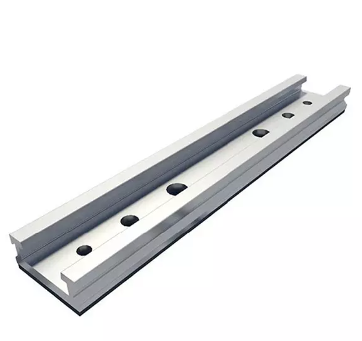
Did you know that the right mounting system can make or break your solar panel installation? Aluminum roof hooks are critical for securing panels to your roof, withstanding harsh weather, and ensuring durability.
In this article, we'll guide you through selecting the perfect aluminum roof hook for residential solar installations. You'll learn about installation, common mistakes, and maintenance tips to ensure long-term efficiency.
Understanding Aluminum Roof Hooks for Residential Use
What Are Aluminum Roof Hooks?
Aluminum roof hooks are specialized mounting devices designed to secure solar panels to a variety of roof types. They attach the solar panels to the roof's structure, preventing them from shifting or coming loose. The design and material of the hooks are crucial for ensuring that they can withstand the weight of the panels, as well as the stresses from environmental conditions like wind and snow.
For residential installations, aluminum is often preferred due to its lightweight, corrosion-resistant properties, and durability. These hooks are compatible with a wide range of roof types, including flat tiles, Spanish tiles, and clay tiles.
Key Features of Aluminum Roof Hooks
Aluminum roof hooks come with several key features that make them ideal for residential solar installations:
Adjustable arms: These allow the hooks to fit different roof pitches and tile profiles, ensuring a secure and stable installation.
Rust resistance: Made from high-quality aluminum or stainless steel , these hooks offer excellent protection against corrosion, especially in coastal or humid environments.
Customization: Many manufacturers offer custom-made hooks that are tailored to specific tile types, ensuring a perfect fit.
Ease of installation: Aluminum roof hooks are designed for quick and easy installation, often requiring just a few tools and minimal expertise.
Benefits of Using Aluminum Roof Hooks for Residential Installations
Choosing the right aluminum roof hook offers numerous benefits for your solar panel installation:
Durability: Aluminum hooks are designed to withstand harsh weather conditions, ensuring the longevity of your solar panels.
Weather resistance: Aluminum's resistance to corrosion and rust ensures that the hooks remain functional even in areas with heavy rainfall or high humidity.
Enhanced efficiency: Proper installation with high-quality hooks allows for optimal panel positioning, which improves energy capture.
Factors to Consider When Selecting the Right Aluminum Roof Hook
Roof Type and Tile Compatibility
The type of roof you have will significantly affect the type of aluminum roof hook you'll need. For example:
Flat roofs may require flat tile hooks, which have a low profile to fit snugly against the roofing material.
Spanish or Roman tile roofs require hooks that are specifically designed to match the contours of the tiles.
Clay tiles also require specialized hooks to avoid damaging the roof material while providing a secure mount.
Load Capacity and Weight of Solar Panels
Before choosing aluminum roof hooks, it's crucial to consider the weight of the solar panels. Heavier panels require hooks with a higher load-bearing capacity. Ensure the hooks are designed to support not only the weight of the panels but also additional stresses from environmental factors like wind, snow, and rain. Always check the manufacturer's specifications for load capacity to ensure the hooks can handle the weight of your specific panels.
Environmental Considerations: Weather and Wind Resistance
Your local climate plays a significant role in determining which type of aluminum roof hook is best suited for your installation:
Wind resistance: In areas with high winds, S-shaped aluminum roof hooks provide additional grip and stability.
Corrosion resistance: If you're in a coastal area, aluminum or stainless steel hooks with corrosion-resistant coatings will offer better longevity.
Snow and rain: If your area experiences heavy snowfall, you need a hook that can support the weight of accumulated snow and prevent the panels from loosening over time.

Step-by-Step Guide to Installing Aluminum Roof Hooks
Preparation: Assessing Your Roof and Materials
Before you begin installing your aluminum roof hooks, it's important to assess your roof:
Inspect the roof for any damage or wear.
Determine the tile type (flat, Spanish, or clay).
Gather the necessary tools, including screws, wrenches, clamps, and rails.
Always check the weather forecast before starting the installation. Dry, clear weather will ensure a safer and easier process.
Installing Aluminum Roof Hooks: A Detailed Process
Position the hooks: Based on the layout of your solar panels, mark where each hook will go. Ensure that the hooks align with the beams of the roof for maximum support.
Secure the hooks: Use the appropriate screws or nails to secure the hooks to the wooden or metal beams. For concrete roofs, use expansion screws or steel nails.
Adjust the hooks: Once the base is secured, adjust the upper arms of the hooks to ensure the rails are level and parallel.
Mount the panels: After the hooks are securely fastened, use clamps to attach the solar panels to the rails.
Mounting the Solar Panels on Aluminum Roof Hooks
Once the hooks are in place, you can proceed with mounting the solar panels:
Attach the panels to the rails using the mid and end clamps.
Ensure the panels are securely fastened, and double-check the alignment.
Common Mistakes in Hook Selection and Installation
Over-tightening and Under-tightening: The Impact on Roof Tiles
One common mistake during installation is over-tightening or under-tightening the fasteners. Over-tightening can crack the tiles, while under-tightening can cause the panels to become loose. Always tighten the screws just enough to secure the hooks without damaging the roof.
Mismatched Hooks and Tiles: How to Avoid Compatibility Issues
Using the wrong hooks for your tile type can lead to installation failures and possible damage. Always ensure the hook design matches the contour of the roof tiles.
Poor Placement of Hooks: Consequences on Load Distribution
Improper hook placement can lead to uneven load distribution, affecting the stability of the solar panels. Make sure to follow the manufacturer’s guidelines for spacing the hooks.
How to Maintain Aluminum Roof Hooks for Long-term Performance
Regular Inspections and Cleaning
To ensure the longevity of your aluminum roof hooks:
Inspect the hooks regularly for signs of wear, rust, or loosening.
Clean the hooks periodically to remove debris, which could obstruct the proper functioning of the hooks and panels.
Consider scheduling an inspection after severe weather events, such as storms or heavy snowfalls.
When to Replace Aluminum Roof Hooks
If you notice any corrosion, rust, or significant damage during inspections, it's time to replace the hooks. Most manufacturers provide a recommended lifespan for their hooks, so keep track of this and replace them when needed to ensure the safety of your solar installation.
Conclusion
Selecting the right aluminum roof hook for residential solar installations is crucial to ensuring a secure, efficient, and long-lasting system. By considering factors like roof type, tile compatibility, load capacity, and weather resistance, you can make an informed decision for optimal performance.
Proper installation, regular maintenance, and timely hook replacement will extend the lifespan of both your solar panels and roof. Following these guidelines will enhance your system's efficiency and give you peace of mind.
For reliable and high-quality aluminum roof hooks, SINPO METAL offers products that guarantee durability, easy installation, and long-term performance for all your solar panel mounting needs.
FAQ
Q: What are Aluminum Roof Hooks, and why are they important for residential solar installations?
A: Aluminum Roof Hooks are essential components used to securely mount solar panels to residential roofs. They ensure stability and long-lasting performance, even in challenging weather conditions.
Q: How do I choose the right Aluminum Roof Hooks for my roof?
A: Choose Aluminum Roof Hooks based on your roof type, tile compatibility, and the load-bearing capacity required for your solar panels. Ensuring weather resistance is also important for durability.
Q: How do I install Aluminum Roof Hooks for residential solar panel installations?
A: To install Aluminum Roof Hooks, secure them to your roof beams using screws, ensuring proper alignment for the rails. Follow the manufacturer's instructions for hook placement and panel mounting.