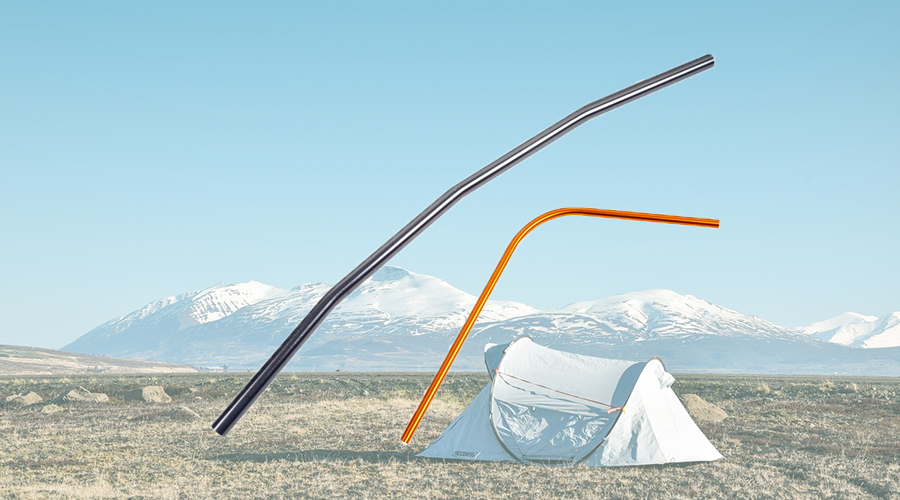
The structural integrity and lifespan of outdoor shelters rely heavily on the surface treatment of their framework, where finish failure often precedes catastrophic mechanical failure. Manufacturers and commercial buyers must balance corrosion resistance, mechanical flexibility, weight constraints, and production costs when specifying tent tubing for extreme or high-cycle environments. This guide provides a technical comparison between anodized aluminum poles and powder-coated tent tubing, establishing an evidence-based framework for specifying the correct finish based on environmental demands, alloy selection, and fabrication requirements. We evaluate the exact mechanisms of surface integration versus barrier protection. You will see how different finishes react under mechanical stress, extreme weather, and daily deployment. By analyzing these factors, you can engineer shelter frames that meet strict performance thresholds without adding unnecessary mass or compromising structural joints.
Surface Integration vs. Barrier Protection: Anodizing alters the molecular structure of the aluminum for a finish that cannot peel, whereas powder coating provides a durable, but distinct, outer protective layer.
Flexibility and Fabrication: When specifying a custom bent tent pole, anodized finishes offer superior performance under mechanical stress, avoiding the flaking and micro-cracking common in powder-coated tubing at the bend radius.
Weight Considerations: Anodized finishes add zero functional weight to the tubing, making them mandatory for high-performance applications (e.g., aerospace, expedition gear), while powder coating adds measurable mass.
Cost and Scalability: Powder coating generally offers lower upfront costs and higher aesthetic consistency at scale, making it viable for heavy-duty commercial event tents where weight is a secondary concern.
Framing the Decision: Success Criteria for Tent Tubing Finishes
Environmental Exposure Metrics
Tent frames operate in highly variable climates, requiring strict baseline requirements for environmental resistance before you finalize a finish specification. UV degradation represents a primary threat to surface integrity over long deployments. Prolonged sunlight breaks down the polymer chains found in standard surface coatings. This chemical breakdown causes chalking, color fade, and eventual micro-cracking of the protective layer. Salt-spray exposure requires rigorous evaluation using ASTM B117 testing standards. Coastal environments and winter setups introduce airborne chlorides that aggressively attack bare aluminum, leading to rapid pitting. Moisture ingress presents another critical metric for field performance. High humidity, standing water, and condensation test the permeability of the protective layer. A successful finish must completely block moisture from reaching the raw metal substrate to prevent oxidation.
Environmental Degradation Factors by Finish Type
Environmental Threat
Anodized Aluminum Response
Powder-Coated Aluminum Response
Ultraviolet (UV) Radiation
Excellent resistance; structural layer unaffected, though some organic dyes may fade slightly.
Moderate to High; susceptible to polymer chain breakdown, chalking, and gloss reduction over time.
Airborne Chlorides (Salt)
Superior; the sealed oxide layer is chemically inert and prevents pitting.
Good; acts as a solid barrier unless scratched, which leads to rapid under-film corrosion.
Moisture Ingress
Impervious; the finish is integrated into the metal itself.
Highly resistant; however, microscopic pinholes in poor applications can trap moisture.
Mechanical Stress Factors
Tubing finishes endure significant physical abuse during transport, assembly, and active deployment. You must evaluate the required flex tolerance for your specific structural application. High winds force tent frames to bend repeatedly, placing the metal under alternating tension and compression. The surface finish must stretch and compress alongside the base metal without failing or detaching. Load-bearing capacity also dictates finish selection. Heavy snow loads or suspended equipment put immense pressure on structural joints and locking mechanisms. Abrasion resistance remains a constant requirement during assembly and disassembly cycles. Metal components slide against each other, ferrule inserts grind into tube ends, and users frequently drop poles on hard ground. The finish must withstand these daily impacts without exposing the underlying aluminum to the elements.
Weight-to-Strength Thresholds
Mass limits directly influence material and finish specifications. You must establish acceptable weight thresholds based on the end-user application. Ultralight backpacking and alpine mountaineering require absolute minimum mass. Every gram matters when users carry shelters over long distances and steep elevations. In these scenarios, finishes cannot add parasitic weight to the frame. Conversely, semi-permanent event structures prioritize blunt durability over portability. These heavy-duty applications tolerate thicker, heavier coatings because transport relies on vehicles rather than human effort. You must align the finish weight with the primary function of the shelter system to avoid over-engineering or under-performing.
Thermal and Handling Constraints
Extreme temperatures alter how users interact with metal components in the field. Assess user handling constraints in sub-zero environments before specifying a finish. Bare metal conductivity becomes a severe safety factor during manual deployment in winter conditions. Highly conductive surfaces pull heat rapidly from bare skin. This creates a high risk of frostbite or skin adhesion in freezing conditions. Some surface treatments act as mild thermal breaks. They slow the transfer of heat, improving user safety and comfort during setup. Evaluate the deployment environment to determine if thermal conductivity requires mitigation through specific surface finishes or if users will rely entirely on protective gear.
Anodized Aluminum Poles: Technical Profile and Capabilities
Electrochemical Process Mechanics
Anodizing is not a coating applied to the surface; it is an electrochemical conversion process that alters the metal itself. The aluminum tubing acts as the anode in an acid electrolyte bath, typically utilizing sulfuric acid. Direct electrical current passes through the solution, releasing oxygen ions from the electrolyte. These ions combine with the aluminum atoms at the surface of the tubing. The reaction thickens the natural oxide layer of the metal, creating a highly ordered, porous structure of aluminum oxide. Manufacturers can introduce organic or inorganic dyes into these microscopic pores to achieve specific colors. A final hydrothermal sealing process, often using nickel acetate or hot water, closes the pores. This locks the color in and creates an inert, exceptionally hard surface.
Performance Advantages of Anodized Tent Pole Finishes
Specifying anodized tent pole finishes provides distinct mechanical and chemical benefits for outdoor structures that face harsh conditions.
Zero Delamination: The anodic layer integrates fully with the base metal at a molecular level. It cannot chip, flake, or peel under blunt impact. The finish remains intact even if the tube suffers a severe dent from a dropped load.
Dimensional Stability: The process adds negligible thickness to the tubing. Standard Type II anodizing builds up less than 0.001 inches of material. This maintains strict manufacturing tolerances for interlocking pole segments, ferrules, and locking pins, ensuring smooth assembly.
Corrosion Resistance: The sealed anodic layer is chemically inert. It provides exceptional defense against harsh environmental chemicals, salt spray, and acidic rain, far exceeding the natural oxidation resistance of bare aluminum.
Galvanic Isolation: The aluminum oxide layer acts as a dielectric insulator. It prevents galvanic corrosion when the tubing interlocks with dissimilar metals. This protects the frame where stainless steel spring clips, brass fittings, or steel ground stakes contact the aluminum.
Implementation Risks and Mitigation
The anodizing process carries specific manufacturing challenges that require tight quality control. Color variation represents the most common issue encountered during production. Batch-to-batch color matching inconsistencies occur due to slight variations in alloy composition, bath temperature, current density, and dye concentration. You must establish acceptable color tolerance ranges with your suppliers using physical limit samples. Alloy sensitivity also impacts the final result. Different aluminum series respond differently to the acid bath. The 6000 series, alloyed with magnesium and silicon, anodizes exceptionally well, producing clear and vibrant colors. The 7000 series, alloyed with zinc, can develop a slightly darker, more matte, or yellowish appearance due to its distinct metallurgical grain structure.
Powder-Coated Tent Tubing: Technical Profile and Capabilities
Application Mechanics
Powder coating applies a dry, free-flowing polymer to the metal surface without the use of liquid solvents. The process utilizes electrostatic spray deposition (ESD). A specialized spray gun imparts a negative electrostatic charge to the powder particles as they exit the nozzle. The grounded aluminum tubing attracts these charged particles, creating an even, dry coat across the surface. The coated tubing then enters a curing oven, typically reaching temperatures between 350°F and 400°F. Heat causes the thermoset polymers to melt, flow, and chemically cross-link. This thermal curing process forms a continuous, durable plastic film over the aluminum substrate.
Performance Advantages
Powder coating excels in specific heavy-duty applications where aesthetics and blunt impact resistance take priority over weight savings.
Aesthetic Uniformity: The process achieves exact RAL color matches consistently. Manufacturers can produce high gloss, matte, or heavily textured finishes across massive production runs without the batch variation seen in anodizing.
Thick Barrier Defense: The cured polymer layer is substantially thicker than an anodic coating, often measuring between 0.002 and 0.004 inches. This thick barrier protects the underlying metal against blunt impact, deep gouges, and heavy abrasion.
Cost Efficiency: Powder coating offers significant economies of scale for large-diameter tubing. The process avoids the complex chemical maintenance, waste disposal, and environmental compliance costs associated with anodizing acid baths.
Field Repairability: Users can repair damaged powder coats directly in the field. Deep scratches or chips can be touched up with color-matched liquid paints or specialized epoxies. This restores the barrier protection and prevents localized corrosion from spreading.
Implementation Risks and Mitigation
Powder coatings present distinct failure modes in outdoor environments that require careful monitoring. Delamination and undercutting pose severe risks to the frame's integrity. If a deep scratch penetrates the polymer layer down to the bare aluminum, moisture can enter the breach. This moisture travels beneath the coating, causing hidden filiform corrosion. The expanding corrosion forces the powder coat to lift and flake away from the metal in large sections. Tolerance issues also complicate manufacturing and assembly. The thick polymer layer adds measurable outside diameter to the tubing. Manufacturers must precisely mask interlocking joints, ferrule inserts, and pin holes using high-temperature silicone plugs. Failure to mask these areas prevents the pole segments from sliding together during field assembly.
Head-to-Head Evaluation: Features to Outcomes
Mechanical Flexibility & Custom Fabrication
Frame geometry dictates finish requirements, especially when dealing with curved structures. When manufacturing a custom bent tent pole, the surface finish undergoes extreme tension on the outside of the curve and compression on the inside. The anodic layer is harder and more brittle than the base aluminum. Bending an anodized tube causes microscopic crazing on the tension side of the bend. However, this micro-cracking rarely compromises the overall corrosion resistance, and the finish will never flake off. Powder coating behaves poorly during post-finish bending. The thick polymer layer lacks the elasticity to survive tight bend radii. It frequently cracks, loses adhesion, and flakes off in large pieces, exposing the bare metal. You must bend powder-coated tubing prior to the finishing process to maintain coating integrity.
Weight Impact on High-Performance Alloys
Alloy selection drives weight calculations for the entire shelter system. Consider the specification of a 7075 aluminum tent pole. Engineers choose 7075 aerospace-grade aluminum specifically for its massive strength-to-weight ratio, driven by its zinc alloying elements. It allows for thinner tube walls without sacrificing structural integrity under heavy wind loads. Applying a heavy powder coat to a 7075 frame negates this primary advantage. The polymer layer adds unnecessary mass to an ultralight system, defeating the purpose of paying a premium for the alloy. Anodizing adds zero functional weight. It protects the premium alloy while maintaining the strict weight targets required for mountaineering, backpacking, and rapid-deployment expedition shelters.
Abrasion Resistance in High-Cycle Use
Repeated packing, transport, and deployment test the surface hardness of any frame. Type II and Type III anodizing transform the aluminum surface into aluminum oxide. This compound ranks just below diamonds on the Mohs hardness scale, typically hitting an 8 or 9. It offers exceptional resistance to surface abrasion. Sand, dirt, and metal-on-metal contact struggle to scratch a properly sealed anodic layer. Standard polyester powder coats are significantly softer, generally ranking between 2 and 3 on the Mohs scale. While they resist blunt impact well due to their thickness, they are highly susceptible to surface scratching and scuffing. High-cycle rental tents with powder-coated frames quickly show visible wear marks, dulling, and scratches from daily handling and transport friction.
Mechanical Properties and Fabrication Tolerances
Performance Metric
Anodized Aluminum
Powder-Coated Aluminum
Finish Thickness
< 0.001 inches (Negligible)
0.002 - 0.004 inches (Significant)
Weight Addition
Zero functional weight
Measurable mass increase
Post-Finish Flexibility
Excellent (Micro-crazing only)
Poor (High risk of flaking)
Surface Hardness (Mohs)
8 - 9 (Extremely Hard)
2 - 3 (Relatively Soft)
Galvanic Isolation
Excellent (Dielectric layer)
Good (Unless barrier is breached)
Joint Tolerance
Maintains raw metal tolerances
Requires masking at joints
Thermal Conductivity and Extreme Weather Handling
User safety in sub-zero environments requires careful finish selection to prevent cold-weather injuries. Anodized aluminum poles transfer heat rapidly. The ultra-thin oxide layer provides absolutely no thermal insulation. Handling cold anodized poles with bare hands poses a severe risk of skin adhesion and rapid heat loss. Powder coating acts as a slight thermal break. The polymer layer slows heat transfer between the cold metal and the user's hands. This makes powder-coated frames slightly safer and more comfortable to handle without gloves in extreme cold weather, though proper winter PPE remains necessary for prolonged exposure.
Field Maintenance and Servicing
Long-term maintenance profiles differ drastically between the two finishes, impacting field operations. Anodized tent frames require zero surface maintenance. The finish cannot peel, and minor surface scratches rarely lead to propagating corrosion because the surrounding oxide layer remains intact. You simply wipe the poles clean of dirt and debris. Powder-coated surfaces require active monitoring and maintenance. Compromised areas demand immediate touch-up protocols. If you ignore a deep chip in a powder coat, localized oxidation will begin and spread beneath the surface. You must sand the damaged area, remove the flaking polymer, and apply a protective paint or epoxy to restore the barrier and halt the corrosion.
Conclusion
Request technical data sheets from your tubing supplier detailing the specific anodizing seal methods or powder coat polymer types used for your production run.
Order raw material samples of both finishes and conduct destructive testing, including impact strikes, bend tests, and salt-spray exposure.
Consult with a fabrication engineer to map out bend radii tolerances and determine if pre-bending is required for your selected finish.
Evaluate your field repair capabilities to ensure you can support the maintenance requirements of powder-coated frames during long-term deployments.
FAQ
Q: Can you bend an aluminum tent pole after it has been anodized?
A: Yes, you can bend anodized tubing. However, the hard anodic layer lacks elasticity. Bending causes microscopic crazing on the tension side of the curve. While this rarely impacts corrosion resistance, we recommend pre-bending the bare aluminum before the anodizing process to ensure optimal structural integrity and a flawless aesthetic finish.
Q: Why is a 7075 aluminum tent pole rarely powder-coated?
A: Engineers select 7075 aluminum specifically for its superior strength-to-weight ratio in aerospace and ultralight applications. Applying a thick powder coat adds unnecessary mass to the frame. This defeats the primary purpose of paying a premium for the lightweight 7075 alloy. Anodizing protects the metal without adding weight.
Q: Which finish offers better protection against saltwater corrosion?
A: Anodizing provides superior long-term protection in saltwater environments. The sealed aluminum oxide layer is chemically inert and integrated into the metal. Powder coating acts as a barrier. If a scratch penetrates the powder coat, saltwater will enter and cause under-film corrosion, eventually lifting the coating entirely.
Q: Does powder coating affect how tent pole segments fit together?
A: Yes. Powder coating adds significant thickness to the outside diameter of the tubing. This alters the dimensional tolerances of the frame. Manufacturers must precisely mask all interlocking joints, ferrule inserts, and locking pin holes during the coating process to ensure the pole segments assemble smoothly in the field.
Q: Are anodized tent pole finishes environmentally safe?
A: Yes. The anodizing process is highly sustainable. It utilizes an aqueous electrochemical process that produces no volatile organic compounds (VOCs), unlike many liquid paints. Furthermore, the ultra-thin anodic layer does not interfere with the recyclability of the aluminum at the end of the product's lifecycle.
Q: How does UV exposure affect anodized vs. powder-coated finishes?
A: UV exposure degrades the polymer chains in standard powder coatings over time, leading to chalking and color fade. Anodized finishes are highly resistant to UV degradation. While some organic dyes used in anodizing may fade slightly under intense sunlight, the structural integrity of the protective oxide layer remains completely unaffected.
We do research and trends of each country to give you the best possible product that will sell in your country. We have been the gold supplier of International Committee Red Cross since 2012.